About

Mission

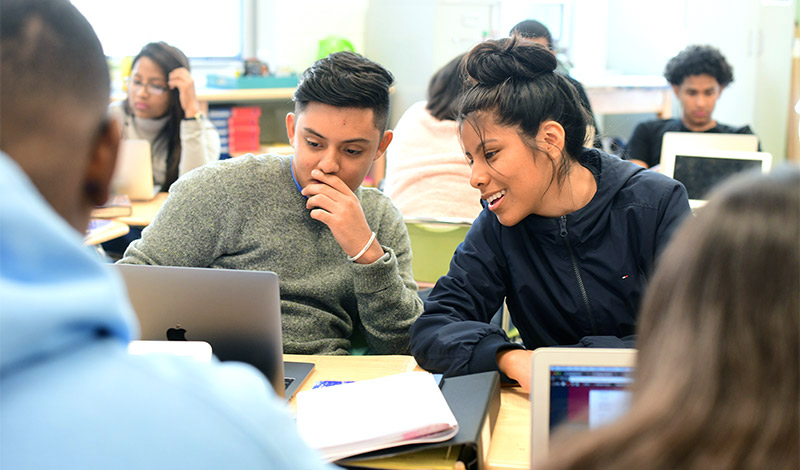
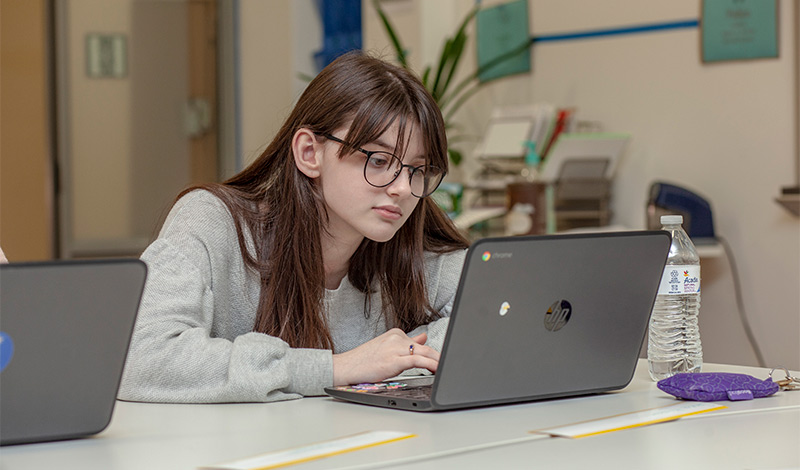
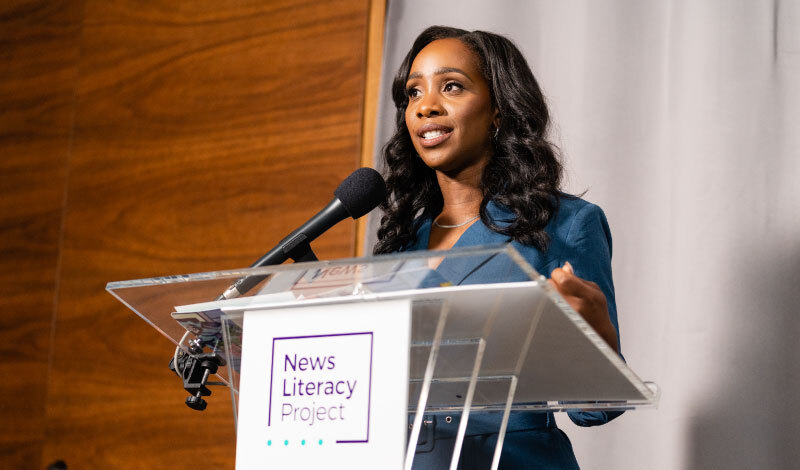
The News Literacy Project is an innovative national educational program that is mobilizing seasoned journalists to help middle school and high school students sort fact from fiction in the digital age.

The project’s primary aim is to teach students the critical thinking skills they need to be smarter and more frequent consumers and creators of credible information across all media and platforms. Students are learning how to distinguish verified information from raw messages, spin, gossip and opinion and are being encouraged to seek news and information that will make them well-informed citizens and voters.

The project is creating partnerships between active and retired journalists and social studies, history and English teachers as well as after-school media clubs. The journalists and teachers are devising units focusing on why news matters to young people, what the First Amendment and a free media in a democracy mean and how to identify reliable information. The material is being presented through hands-on exercises, games, videos and the journalists’ own compelling stories. The curriculum also addresses such new media tools as Google and Wikipedia.

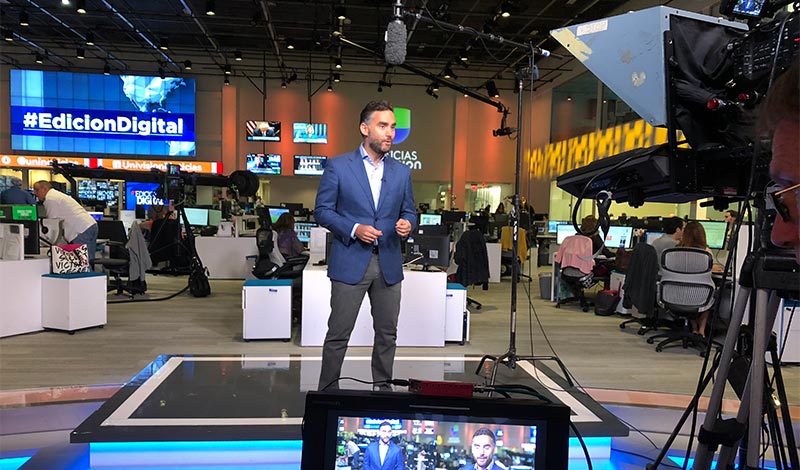
This website features a national directory of volunteer journalists, including their biographies and photographs.  Participating teachers can request journalists in their regions who fit their curriculum; for example, a social studies teacher might seek a political reporter for a government class, while a colleague focusing on Latin America might request a Mexico City correspondent. Journalists will address classes through videoconferencing as well as in person.

Even as young people increasingly participate in the national discussion through such forms of communication as text messages and blogs, the concept of news literacy is not widely discussed in America’s public schools. With the 24-hour news cycle and the explosion of online information, today’s students have access to unprecedented amounts of information. Yet they are also confronted with the daunting task of determining the reliability of myriad sources of “news.” And surveys show they are increasingly uninterested in information with a civic purpose.

The News Literacy Project seeks to reverse these trends. In addition, at a time when negative reports about the news media abound, it will present students and their teachers with positive role models of journalists and insights into how news is reported, edited and produced. But its biggest impact promises to be on the nation’s civic life: When young people are exposed to information that is in the public interest, the country’s democratic grass-roots are strengthened.

“This program will systematically address a significant gap in the educational community,’’ said Diana Mitsu Klos, senior project director for the American Society of Newspaper Editors, one of several major journalism groups to endorse the News Literacy Project. It has the ``potential to strengthen the ranks of the next generation of Americans who can recognize and demand quality journalism.’’

Origin

The project was founded in early 2008 by Alan C. Miller, then an investigative reporter with the Los Angeles Times. The idea arose from his experience talking about his career as a reporter and why journalism matters to 175 sixth graders at his daughter’s middle school in Bethesda, Md.  Student thank you notes indicated he had connected, and prompted him to think about a new way to make a difference. English teacher Sandra Gallagher wrote to him: ``All of the information you shared was interesting to them and pertinent to our curriculum. You brought to life the idea of `newspaper’ and opened a new perspective of thinking.’’